OUR STORY
Built for the watches you'll never stop wearing.
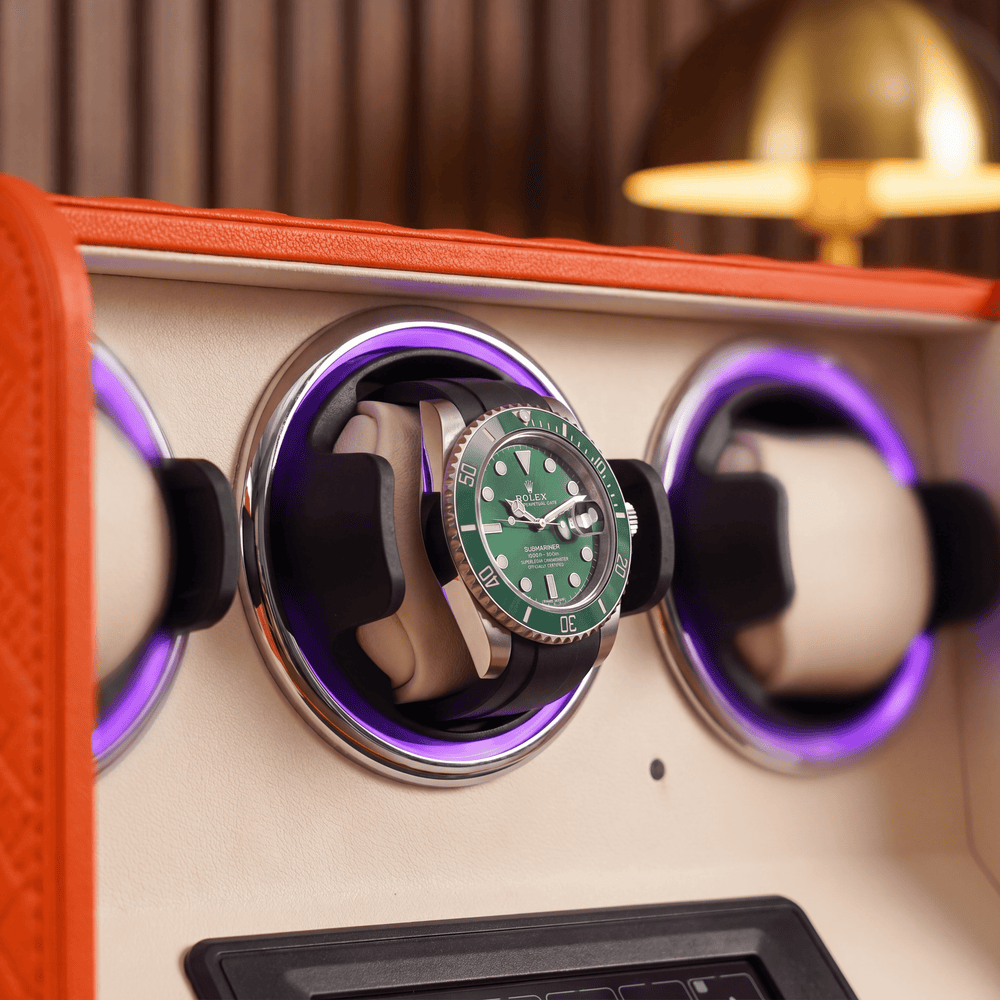
Windury makes one thing, and makes it properly: watch winders that keep your automatics wound, accurate and ready. Quietly, day after day.
WHY WINDURY EXISTS
A new name, an old problem.
An automatic watch is built to be worn. Leave it in a drawer and it stops: the date drifts, the time is wrong, and a small ritual stands between you and putting it on.
Windury started from that frustration. We don't claim a century of history. We set out to make the winder we wanted ourselves: silent enough to live on a nightstand, finished well enough to leave on display, and built to keep doing its job for years.
One category, done with care. That's the whole idea.
THE HERITAGE OF AUTOMATIC WINDING
Two and a half centuries of keeping watches alive.
Automatic winding has 250 years of history: Perrelet in 1770, Breguet in 1777, Rolex in 1931. Windury is a new name, founded in 2026 to bring the care the great collections rely on within reach of every automatic-watch owner. The story below is the craft we inherit, not a claim to a past we don't have.
The first self-winding movement
Geneva watchmaker Abraham-Louis Perrelet builds a mechanism wound by the wearer's own motion: an oscillating weight feeding energy to the mainspring. The first documented trace of the principle that still governs every automatic watch.
Breguet refines the perpetuelle
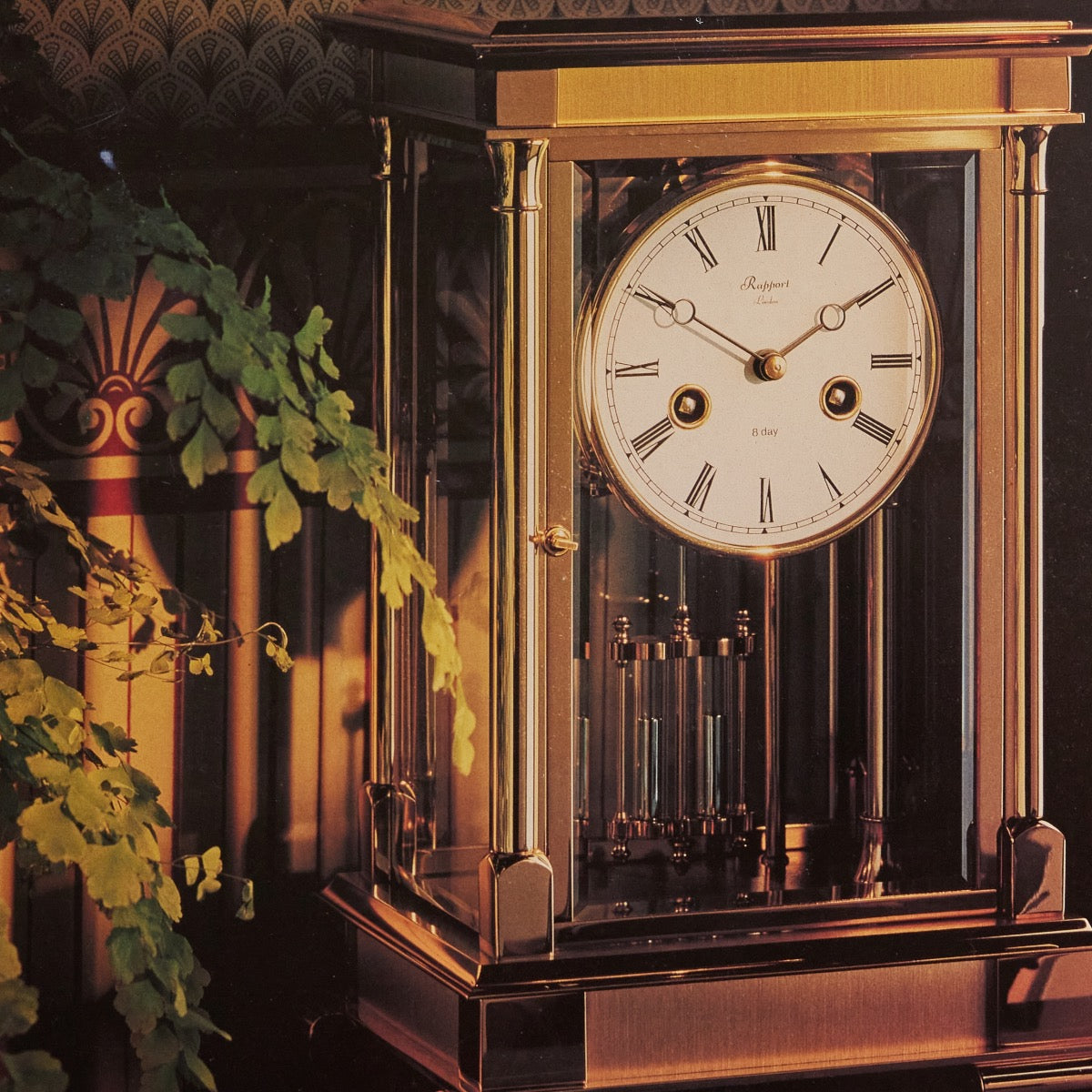
Building on Perrelet's work, Abraham-Louis Breguet develops and sells his own rotor-wound "perpetual" watch, improving its reliability. The word perpetuelle enters the horological vocabulary.
The first automatic wristwatch
British watchmaker John Harwood patents the first self-winding wristwatch driven by an oscillating mass, adapting the automatic principle to the wrist, where it would become the world standard.
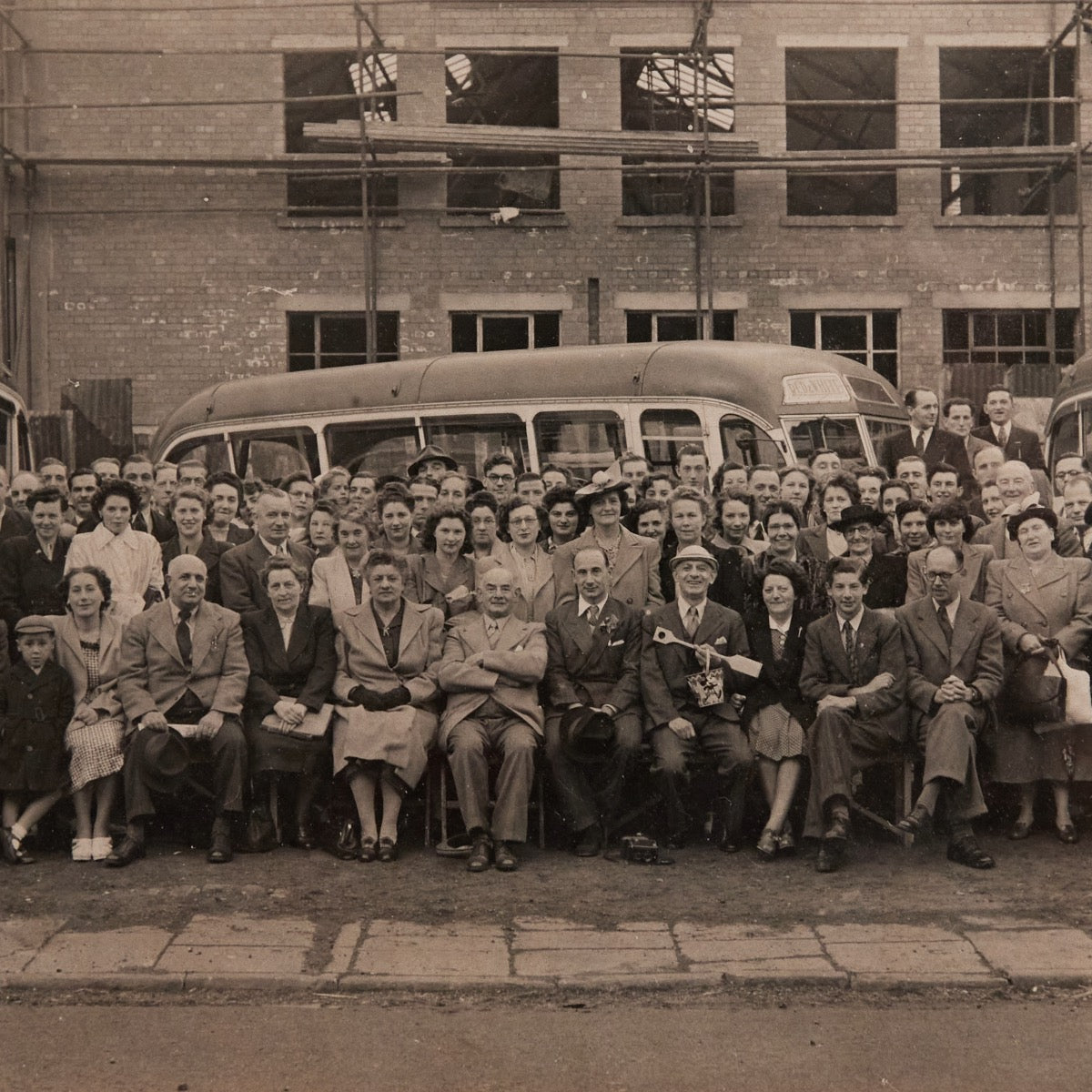
Rolex and the 360-degree rotor
Rolex introduces the Oyster Perpetual with a central rotor that turns a full 360 degrees. This free-swinging mass, winding in both directions, sets the template for nearly every automatic movement built since.

Automatic goes mainstream
In the post-war decades, ETA, Jaeger-LeCoultre, Omega and Longines put automatic movements on millions of wrists. The automatic watch stops being a niche object and becomes the benchmark of a quality timepiece.

The quartz crisis and a mechanical revival
Quartz watches trigger a deep crisis in mechanical watchmaking. Paradoxically, the pressure sharpens the prestige of automatic watches as objects of heritage and craft, laying the foundations of today's premium market.
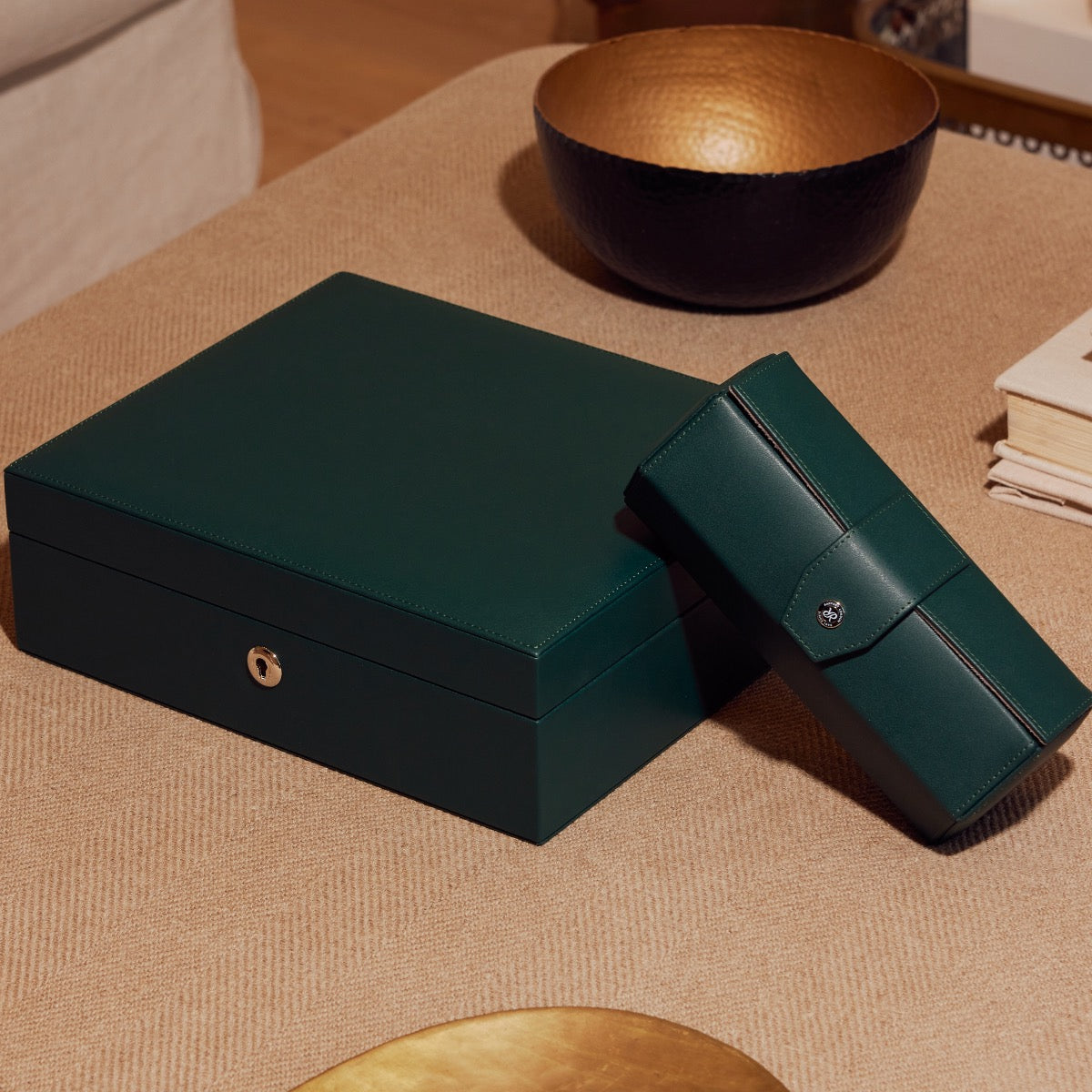
The watch winder is born
The first motorised winders for automatic watches appear among accessory makers, giving collectors a way to keep their pieces running. The need is simple: an unworn automatic stops within hours; a winder keeps the mainspring tensioned and the time correct.
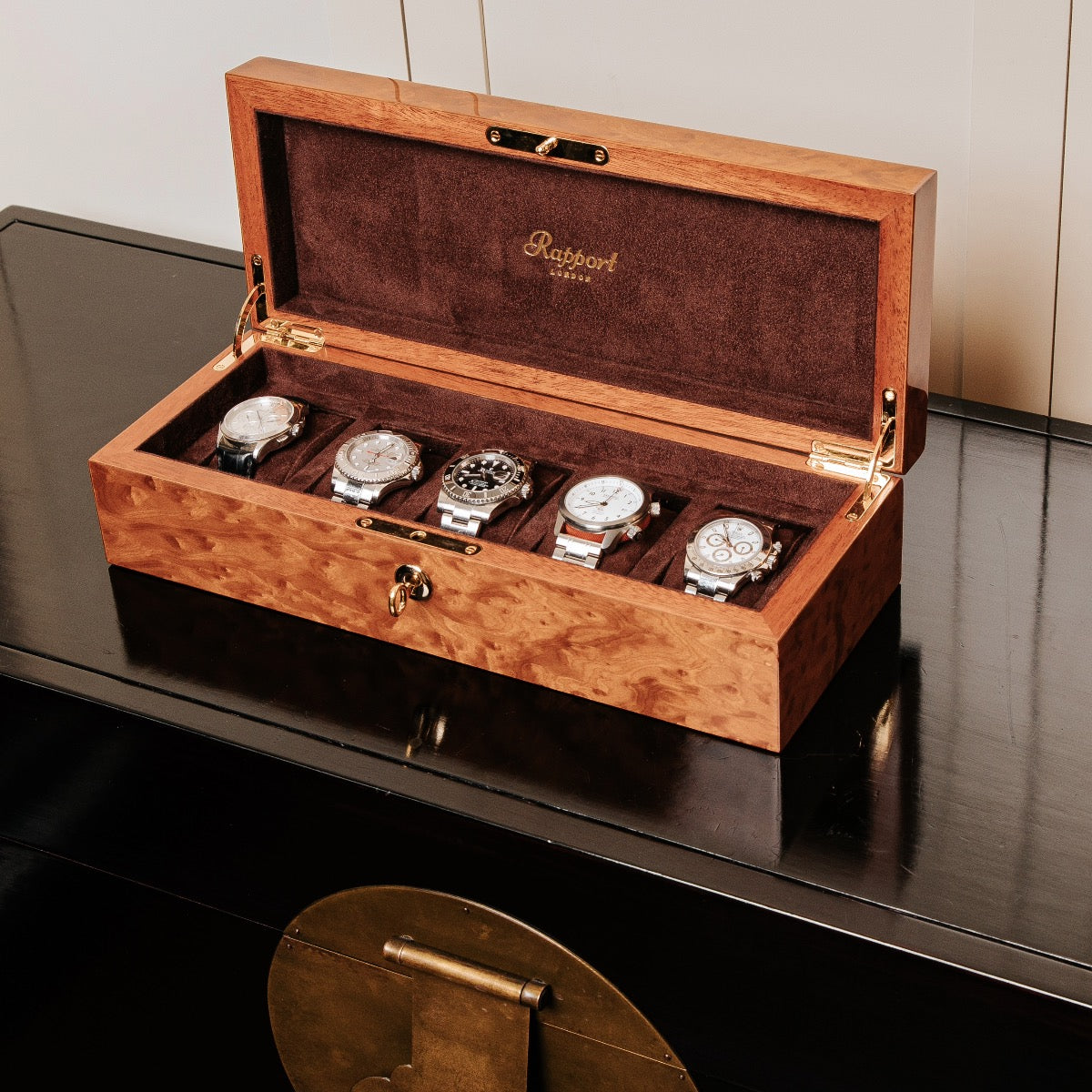
From tool to display piece
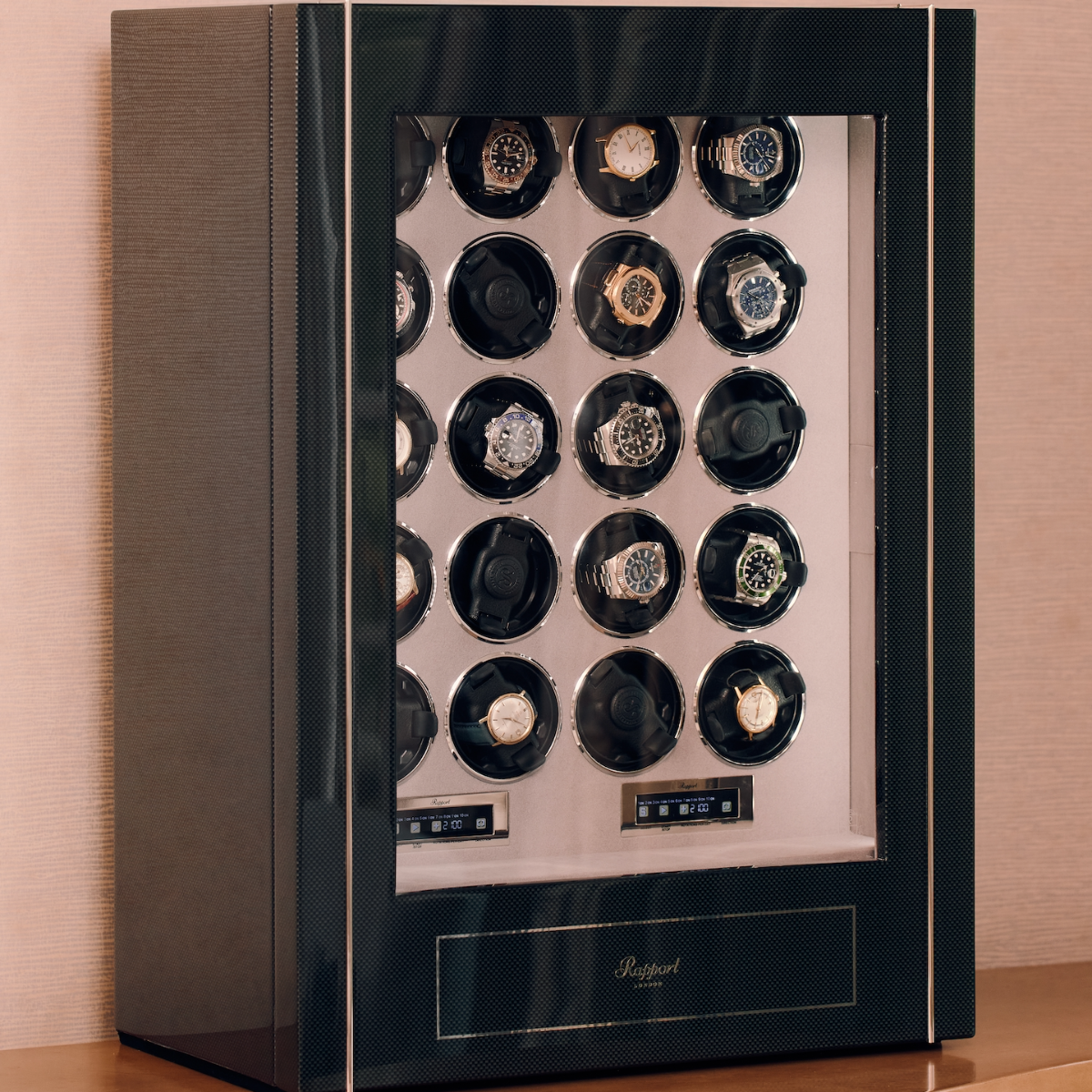
As luxury collections grow, the winder earns its place on the desk and dressing table in its own right: leather cases, quiet motors, glass display cabinets. Made for collectors who want their watches seen as well as wound.
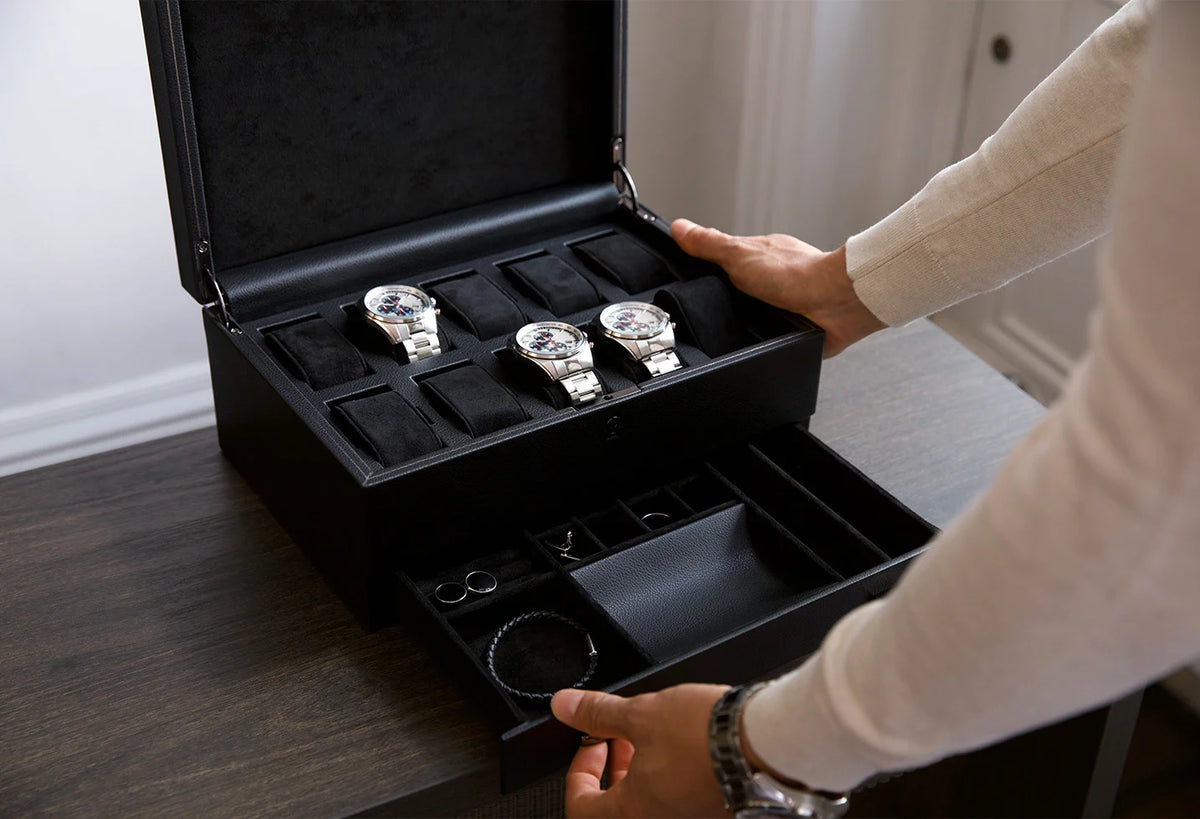
Silent motors and TPD programmes
Quiet DC motors and adjustable Turns-Per-Day settings let a winder be matched to each calibre. Makers publish their TPD figures; the winder becomes a technical instrument as much as an elegant one.
Power-resume and smarter winding
Modern winders add power-resume: a programmed pause then an automatic restart, to protect sensitive calibres from over-winding. Digital timers, multi-direction modes and modular chassis standardise the high end.

Watch care within reach of every collector
Better build quality brings winders with silent motors, carbon-fibre and premium leather finishes to accessible prices, putting professional watch care within reach of anyone who owns an automatic, not only the wealthy collector.
Windury
Mathieu started Windury because his own automatic kept dying on the dresser. Every morning it meant resetting the time and the date before he could wear it. He wanted a winder that was quiet enough for a nightstand, finished well enough to leave on display, and priced fairly. So he built one. Windury is a new name on a long tradition: silent motors, correct TPD settings, finishes worth keeping, and watch care done properly.
WHAT WE BELIEVE
Three things we hold to.
No mission-statement filler. Just the principles every Windury winder is built around.
Why we exist
An automatic watch is built to be worn. Leave it in a drawer and it stops: the date drifts, the time is wrong, and a small ritual stands between you and putting it on. Windury removes that friction. We obsess over the things that make a winder actually trustworthy: the motor's silence, the TPD accuracy, the finish quality. One category, taken seriously.
How we choose what we sell
We test every winder we carry. If the motor hums, it does not make the cut. If the TPD range is too narrow for the calibres we recommend it for, we do not list it. If the finish looks cheap after a month, it goes. What stays on the site is what we would put on our own nightstand. Nothing more.
Our commitment to you
Honest answers before you buy, and real support after. Clear specs, fair prices, and a 30-day return window with free shipping both ways. If something breaks under normal use, the warranty covers it and we sort it out without arguments. That is the whole deal.
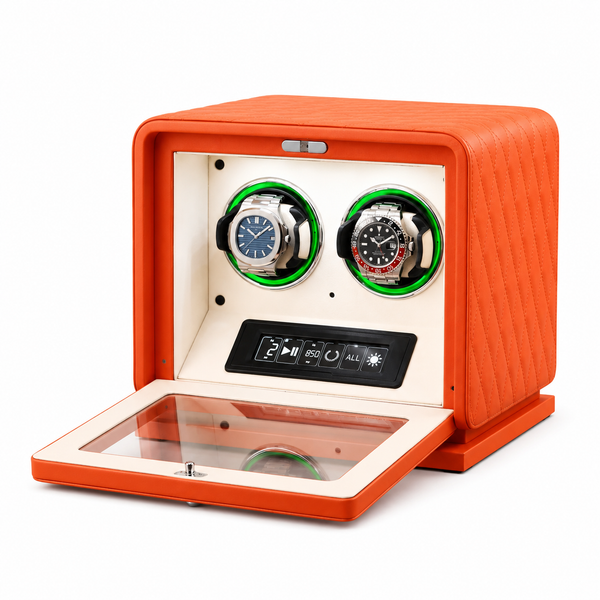
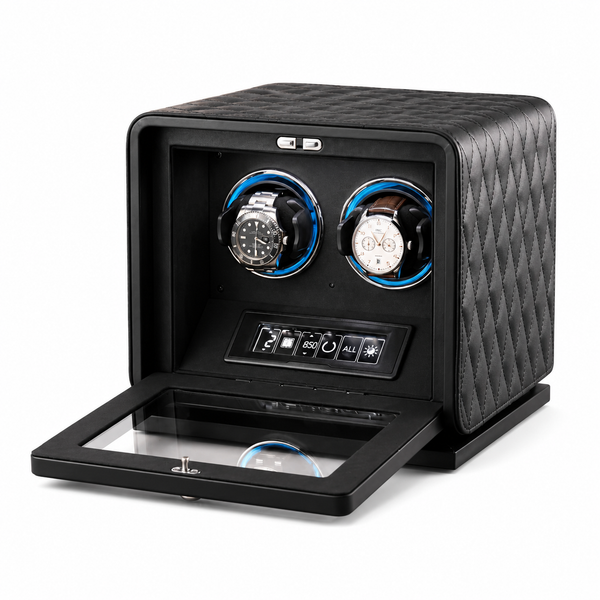
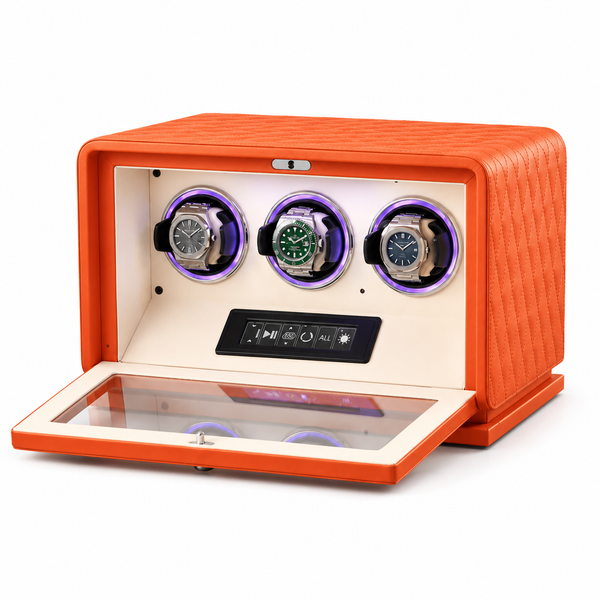
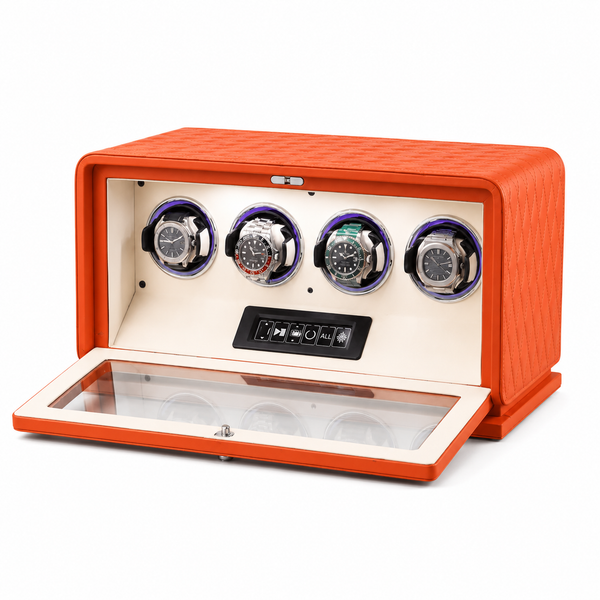
The Windury range
From a single daily-driver to a six-watch display. One built for your collection.